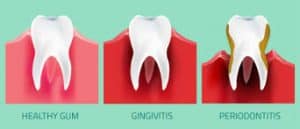
 You’ve been brushing your teeth twice a day, but you’ve noticed your gums are a bit more tender than usual. As soon as your gums continue to swell, you figure that you’ve just been brushing too hard. But then your gums start to bleed. This is a red flag that you likely have gingivitis.
Gingivitis may develop between dental checkups but there’s good news: switching up your dental routine can reverse gingivitis.
What is Gingivitis?
Gingivitis is a common form of gum disease that causes bleeding and inflamed gum tissue. If left untreated, it can lead to the loss of gum tissue and eventual decay of the tooth’s bone. While gingivitis doesn’t necessarily mean tooth loss, if you ignore these tell-tale symptoms, you are putting your smile at risk for a more severe form of gum disease: periodontal disease, which not only impacts your teeth but can also have negatively effect on your overall health.
I think I have Gingivitis: What Can I Do?
Once you’ve seen signs of gingivitis, it’s time to reassess your oral health routine.
You can help keep gingivitis from progressing by:
- Visiting your dentist. Regular dental cleanings are key to keeping gum disease at bay.
- Your dentist may suggest routine deep cleanings.
- Brush and floss regularly. Did you know that he way you brush your teeth impacts the safety of your oral health?
- Antibiotics, mouthwashes, and oral treatments can successfully treat this form of gum disease.
Is There a Cure for Gingivitis?
Fortunately, gingivitis can be treated in the dental office and at home. Brushing, flossing, and rinsing your mouth at least twice a day reduces gingivitis. Schedule regular visits with your dentist for check-ups and cleanings. Want to step up your oral health routine?
Here are few extra steps you can take to care for your smile:
- Rinse your mouth with warm water after heavy snacks and meals. Pastries, sugar, beans, meat, bread tend to stick to the gums and hide in hard to reach places.
- Use mouthwash to push out hidden food particles.
- Consider a water flosser to achieve that “after the dental office” clean feeling.
- Use a toothbrush that has the appropriate bristle texture to clean your teeth without damaging the gum lining. If you’re suffering from gingivitis, soft bristles are the best.
- Replace your toothbrush bi-monthly to prevent germs from going back into your mouth. Throw away brushes with bent bristles because they can erode tooth enamel.
With a proper at-home regimen and regular dental visits, you can keep gingivitis away and even prevent it from progressing into more severe forms of gum disease.
 With so many toothpaste brands on the market, how do you choose the right one? In between the different flavors and the claims of whitening, brightening and fluoride protection, it’s not surprising that most people feel confused when it comes to making a final decision.
 Who doesn’t love that minty taste that comes from a swig of mouthwash? Not only does it refresh the palate, but it may also contain different health benefits. Look at the label of your favorite mouthwash and you’ll probably discover that it’s a teeth whitener or plaque zapper. But are these claims true? Is your mouthwash really good for your overall oral hygiene?
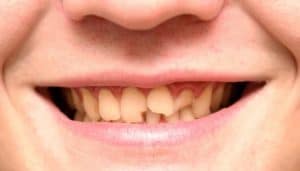 Millions of people suffer from broken teeth each year, so you’re not alone. However, that doesn’t mean that your newly broken tooth doesn’t require immediate attention.
 When your children are babies, teething can be a trying time for both parents and children alike, but once they turn 3, most children have their primary teeth. Around the age of 6 years old, baby teeth start to fall out to make room for their permanent adult teeth. By the time your child turns 13, all their baby teeth have fallen out and their adult teeth have come in.